In short
A biz loan is simply a business loan: money lent to a business or sole trader for a business purpose, repaid over an agreed term with interest or fees. In Australia the main types are unsecured term loans, lines of credit and overdrafts, invoice finance, asset finance for vehicles and equipment, and property-secured loans such as first mortgages, second mortgages and caveat loans. The best type depends on the job the money does.
At a glance
- "Biz loan" is everyday shorthand for a business loan; the meaning is the same.
- It must be used mainly for business purposes, not personal spending.
- Biz loans are either secured (by property, an asset or invoices) or unsecured (usually with a guarantee).
- Match the type to the job: short needs, short money; long assets, longer terms.
- Compare every option on total dollars repayable, not headline terms.
- Who can borrow
- Sole traders, partnerships, companies and trusts with an ABN
- Typical documents
- ID, ABN details, bank statements, BAS; financials for larger loans
- Security
- Property, the asset, invoices, or a director guarantee
- Speed
- Ranges from quick for small unsecured needs to weeks for larger secured loans
A biz loan is a business loan by its everyday name: money a lender advances to a business or sole trader for a business purpose, repaid over an agreed term with interest or fees. The phrase covers a family of quite different products, from a short unsecured loan to a property-secured facility running into the millions. Knowing which member of the family you’re looking at is the difference between a loan that helps and one that pinches.
What does “biz loan” mean?
“Biz loan” means business loan, nothing more exotic. The test that makes a loan a biz loan is its purpose: the money is used mainly for the business, such as buying stock, paying wages, buying a vehicle or equipment, clearing a tax debt, fitting out premises, or buying property or another business.
That purpose has a practical effect. Because the borrowing is for a business rather than a household, the consumer rules in the National Credit Code don’t apply to it. One visible result: a biz loan offer doesn’t need to carry a comparison rate, so asking for the total cost in dollars is your job.
Who can get a biz loan in Australia?
Any business with an ABN can apply, whatever its structure: sole trader, partnership, company or trust. That’s a big group. The Australian Bureau of Statistics counted 2,814,778 actively trading businesses at June 2026, with 460,461 new businesses entering during 2025–26.
Getting one is a different matter. The Reserve Bank’s October 2025 Bulletin found that one in five SMEs had experienced challenges obtaining finance. Picking the right type for your situation is the best way to avoid being one of them.
What are the main types of biz loans?
The government’s business portal sorts debt finance into a handful of familiar products in its guide to choosing funding, from term loans and overdrafts to invoice and equipment finance. Here’s what each one looks like in practice, plus the property-secured options many owners use.
| Type | How it works | Usual security | Best for |
|---|---|---|---|
| Unsecured term loan | Lump sum repaid over months or a few years | Director or owner guarantee | A defined job for a trading business |
| Line of credit | A limit you draw and repay as needed | Varies; can be unsecured | Recurring or seasonal cash gaps |
| Overdraft | A limit attached to your business account | Often property | Everyday timing gaps |
| Invoice finance | Advance against unpaid customer invoices | The invoices | Waiting on slow-paying business customers |
| Asset finance | Funds a vehicle or equipment, repaid over its life | The asset | Vehicles, plant, machinery, technology |
| First or second mortgage | Loan secured over residential or commercial property | Registered mortgage | Larger amounts and longer terms |
| Caveat loan | Short-term loan secured by a caveat on a title | Property (caveat) | Urgent, short needs with a clear exit |
| Bridging loan | Covers the gap between a purchase and a sale or refinance | Property | Property timing gaps |
For depth on each, see our pages on asset finance, caveat loans, second mortgage business loans and bridging loans.
Some businesses can also tap government-backed lending. Exporters with a company structure and a couple of years behind them may qualify for the Small Business Export Loan run by Export Finance Australia, and businesses that are 50 per cent or more Indigenous-owned can look at Indigenous Business Australia’s finance options.
Which biz loan suits which kind of business?
The same loan type can be a great fit for one business and a poor one for the next. Here’s how each type tends to grade for five common owner profiles, judged on our five tests with cost and fit weighted most.
| Your profile | Unsecured term loan | Line of credit | Invoice finance | Asset finance | Property-secured loan |
|---|---|---|---|---|---|
| Under 12 months trading | Weak | Weak | Fair | Fair | Fair |
| Steady trading, no property | Strong | Strong | Fair | Strong | Weak |
| Paid by other businesses on 30 to 60 day terms | Fair | Strong | Strong | Fair | Fair |
| Buying a vehicle or machine | Weak | Weak | Weak | Strong | Fair |
| Borrowing over $500k with property equity | Weak | Fair | Fair | Fair | Strong |
| Past credit issues, property available | Weak | Weak | Fair | Fair | Strong |
Read across your row: the Strong cells are where to start. If no cell in your row is Strong, the honest answer may be to fix something first, such as lodging overdue BAS or building a few more months of statements.
What can you use a biz loan for?
Almost anything that serves the business. The common jobs we see, and the type that usually fits each:
- Stock and wages through a slow patch: a line of credit or short unsecured loan
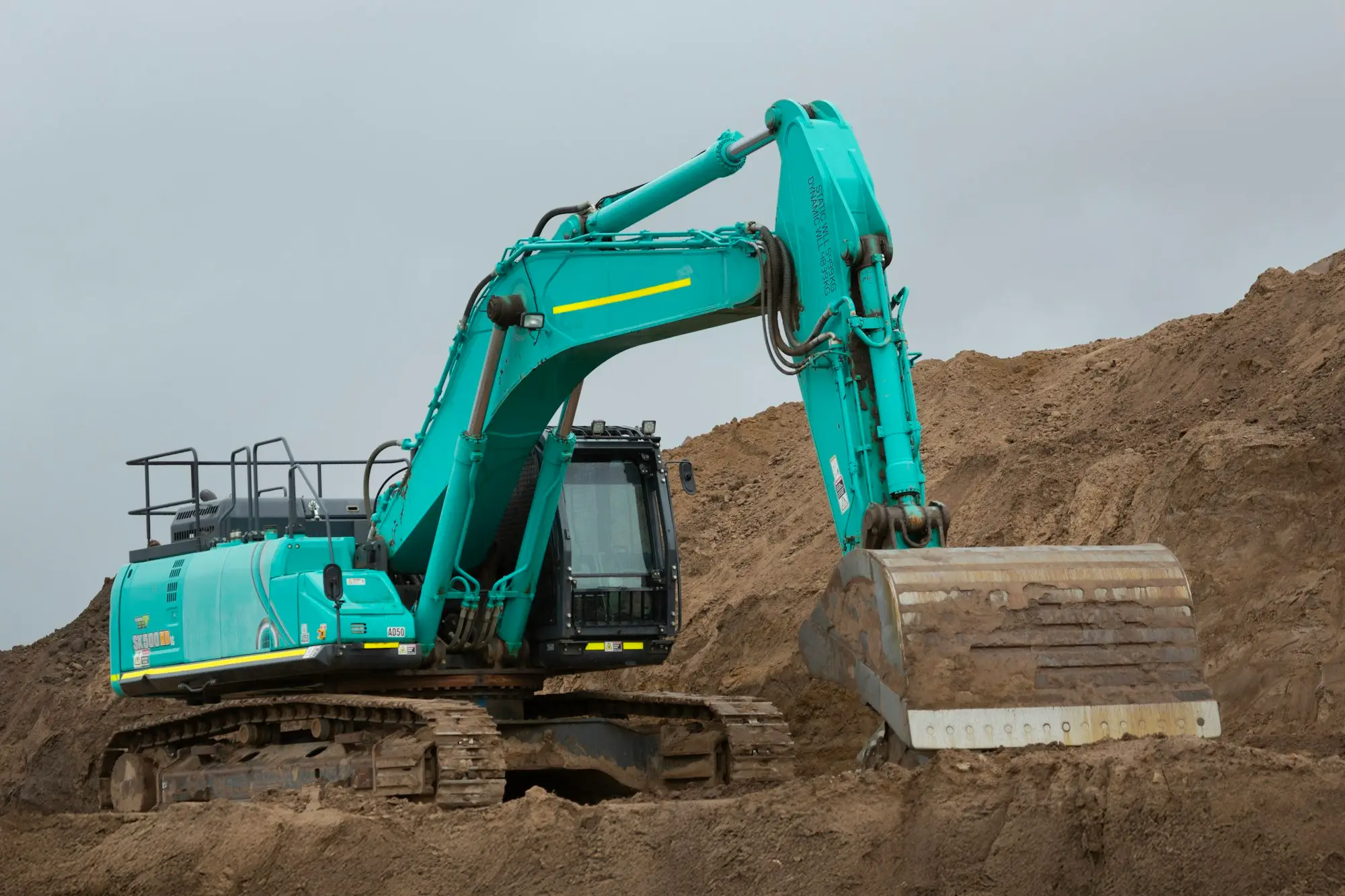
- A ute, truck, oven or excavator: asset finance secured by the item
- Slow-paying trade customers: invoice finance
- An ATO debt: a structured loan or a payment plan, compared on total cost (see funding an ATO debt)
- A fit-out or renovation: a term loan, or property-secured lending for larger jobs
- Buying a business or commercial property: a property-secured loan, often with a bank or specialist lender
What a biz loan can’t be used for is mainly personal spending. If the purpose is mostly private, such as a family holiday or a home renovation, it’s a personal or home loan instead, with different rules. Our verdict on a business loan or a personal loan explains where the line falls for sole traders, who often blur it.
Secured or unsecured: which biz loan is right?
Secured is usually right for larger, longer needs; unsecured for smaller, shorter ones. Security lets a lender offer more money over a longer term, usually at a lower total cost per dollar borrowed, because the risk is lower. Unsecured loans protect your property but are generally smaller, shorter and rely on a personal guarantee. Our secured or unsecured verdict sets out the trade-off in full.
As a guide to size: unsecured, cash-flow and line-of-credit options for trading businesses typically run from $5,000 to $500,000, sized on turnover and bank statements. Property-secured business loans typically run from $20,000 to $5,000,000 against residential or commercial property.
Not sure which fits? Answer a few quick questions and a specialist will tell you which type of biz loan suits the job.
Our verdict: which biz loan is best?
Our verdict: the best biz loan is the type whose term and security match the job
- Best for
- Short gaps: a line of credit or invoice finance. Vehicles and equipment: asset finance. Larger or longer needs with property: a first or second mortgage. A defined job for a trading business: an unsecured term loan.
- Not for
- Using short, frequent-repayment money for long-term assets, securing your home for a small temporary gap, or borrowing to cover losses with no plan to fix them.
- Check before you sign
- Total dollars repayable, repayment frequency against your cash cycle, what early payout saves, and exactly what the security and any guarantee cover.
Illustrative example: one business, three biz loans
Illustrative only, round numbers. A plumbing business with four years of trading has three needs this year: a $70k ute and tools, a $40k buffer for slow-paying builders, and $250k towards buying the small warehouse it rents.
- The ute and tools fit asset finance, repaid over the vehicle’s working life, secured by the vehicle.
- The buffer fits invoice finance or a line of credit, cleared as builders pay.
- The warehouse fits a property-secured loan over a longer term.
One biz loan for everything would have mismatched at least two of the three jobs. Three well-fitted ones keep the total cost and the cash-flow strain lower.
How do you get a biz loan?
- Define the job, amount and term. “$70k for a ute over five years” beats “some money”.
- Pick the type using the tables above, or our compare business loans master table.
- Gather documents: ID, ABN details, six to twelve months of bank statements, recent BAS, and financials or tax returns for larger loans.
- Make one well-targeted application rather than several, since each formal application can leave a credit enquiry.
- Compare offers in total dollars before you sign.
Ready to find your biz loan?
You can browse every type in our loan types hub, but the quickest way to the right type is a short conversation with someone who does this every day. See what you could qualify for: there’s no credit check when you first enquire, a real person handles your file, and your details aren’t passed around to a pile of lenders. Tell us accurately what the money’s for and how the business trades, and we’ll point you to the right loan the first time.
Questions owners ask
What does biz loan mean?
Biz loan is informal shorthand for a business loan. It means money a lender provides to a business, including a sole trader, for a business purpose, such as stock, wages, equipment, vehicles, a fit-out, tax or buying property or another business. It's repaid over an agreed term, with interest or fees, and may be secured or unsecured.
Is a biz loan the same as a business loan?
Yes. Lenders, brokers and comparison sites use biz loan, business loan and business finance to mean the same broad thing. What matters is the specific type: a term loan, line of credit, invoice finance, asset finance or a property-secured loan all behave very differently, so look past the label to the structure.
Can a sole trader get a biz loan?
Yes. A sole trader with an ABN can borrow for business purposes. Lenders will usually look at bank statements, BAS and personal tax returns, because a sole trader's business income is reported on their own return. Our verdict on the best business loans for sole traders covers what lenders look for.
Do biz loans need security?
Not always. Unsecured biz loans rely on the business's trading and usually a director or owner guarantee. Secured loans are backed by property, the equipment being bought or unpaid invoices. Security generally allows larger amounts and longer terms, but puts that asset at risk if repayments aren't met.
How much can you borrow with a biz loan?
It depends on the type and your situation. Unsecured and line-of-credit options for trading businesses typically range from $5,000 to $500,000, sized on turnover and bank statements. Property-secured business loans commonly range from $20,000 to $5,000,000 against residential or commercial property.
Can I get a biz loan with bad credit?
Often, yes, depending on what happened and the security available. Credit issues and ATO debts are considered case by case by many lenders, particularly when there's property security or strong recent trading. Expect more questions and a higher total cost than a borrower with a clean file.
Reviewed by the Best Biz Loan editorial team · updated 5 October 2026
We judge loan structures and lender types against the same five tests, never named lenders' products, and we never publish rates. How we judge