The short verdict
For most Australian farmers, the best farm finance is a mix: a long-term loan secured by farmland for land and major improvements, equipment finance for machinery, and a seasonal working-capital facility repaid at harvest or sale. Eligible farm businesses should also check government Regional Investment Corporation loans. Short-term property-secured loans only suit a bridging job with a clear exit.
At a glance
- Farm income arrives seasonally, so repayments should follow harvest or sale.
- Machinery is usually best on equipment finance secured by the machine.
- Government RIC loans of up to $2 million are open to eligible farm businesses.
- Farm management deposits help smooth income between good and bad years.
- Typical needs
- Land, machinery, inputs, livestock, water, drought recovery
- Assessed on
- Farm financials, production history, land value, seasonal outlook
- Security
- Farmland, the machinery, or other property
- Speed in words
- Machinery can move quickly; land deals take weeks
Farm and agribusiness loans are finance for primary producers and the businesses that serve them: buying or expanding land, purchasing machinery, funding inputs before a crop is sold, restocking after drought, or investing in water and infrastructure. The best farm and agribusiness loans in Australia respect the one thing that sets farming apart: income arrives once or twice a year, while costs run all year round.
How is farm cash flow different from other businesses?
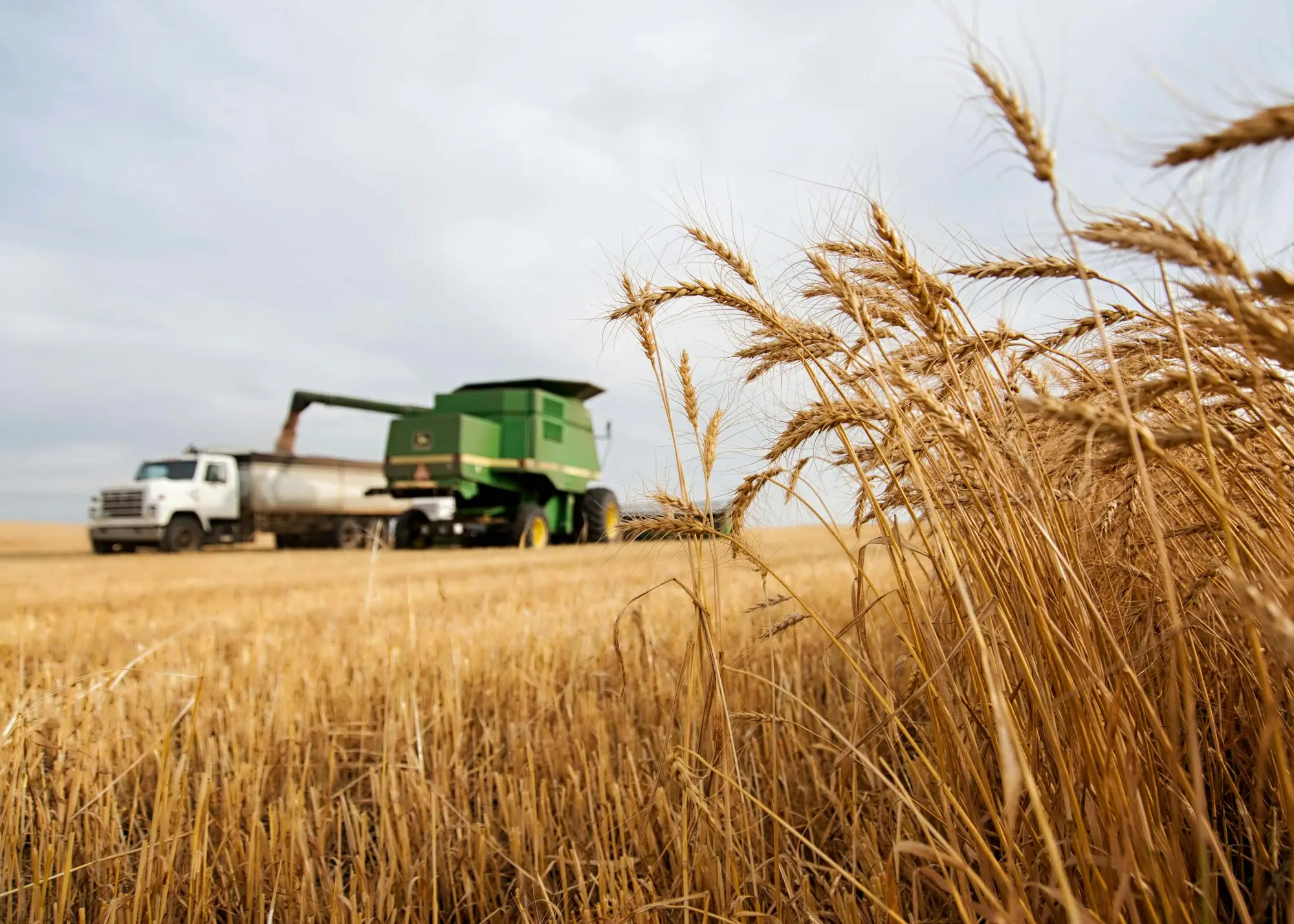
It’s seasonal and exposed to things no one controls. A grain grower pays for seed, fertiliser, fuel and chemicals months before harvest. A cattle producer may wait more than a year between buying weaners and selling finished stock. A horticulturalist carries labour costs through picking season before the packing shed pays. In between, rain, frost, fire and markets can change the result.
That pattern means:
- Costs come first, income later. Inputs are funded long before a cheque arrives.
- Good and bad years swing widely. One strong season can carry two poor ones.
- Big assets dominate. Land, water, machinery and livestock hold most of a farm’s value.
- Lenders read the season. The outlook matters as much as last year’s result.
The ABS Counts of Australian Businesses shows agriculture, forestry and fishing was the only industry to record a fall in business numbers in 2025–26, down 0.5% to 170,185 at June 2026. Farms are consolidating, which often means fewer, larger operators borrowing to buy neighbouring land and bigger machinery.
What do agricultural lenders look at?
They look at the land, the operator and the season. Expect questions about:
- Production history. Yields, stocking rates or turnoff over several seasons.
- Financials. Farm accounts and tax returns, plus a budget for the coming season.
- Land and water. Valuation, productive capacity, water entitlements and access.
- Experience. How long you’ve farmed, and succession arrangements where relevant.
- Existing debt. Including machinery finance and any drought or concessional loans.
A farm with a clear budget, sensible gearing and a repayment plan tied to its income cycle is a file most agricultural lenders can work with.
Which farm finance structures are best?
We graded five common structures using the tests in how we judge, for an established family farm.
| Structure | Main use | Fit | Total cost | Security | Flexibility | Paperwork |
|---|---|---|---|---|---|---|
| Long-term loan over farmland | Land, improvements, water | Strong | Strong | Fair | Fair | Weak |
| Equipment finance | Tractors, headers, sprayers | Strong | Strong | Strong | Fair | Strong |
| Seasonal working-capital facility | Inputs, wages, pre-harvest costs | Strong | Fair | Fair | Strong | Fair |
| RIC government loan | Investment, starting out, drought | Strong | Strong | Fair | Fair | Weak |
| Short-term property-secured loan | Settlement gap, urgent bridging | Weak | Weak | Fair | Fair | Strong |
1. Our pick for land: a long-term loan over farmland
Farmland is the ultimate long-lived asset, and a long-term loan secured by it is the natural match. Lenders with agricultural experience can often set seasonal repayment dates and offer terms that suit a multi-generational asset. Paperwork is heavy, but the cost per dollar is generally the lowest available to a farm business.
2. Our pick for machinery: equipment finance
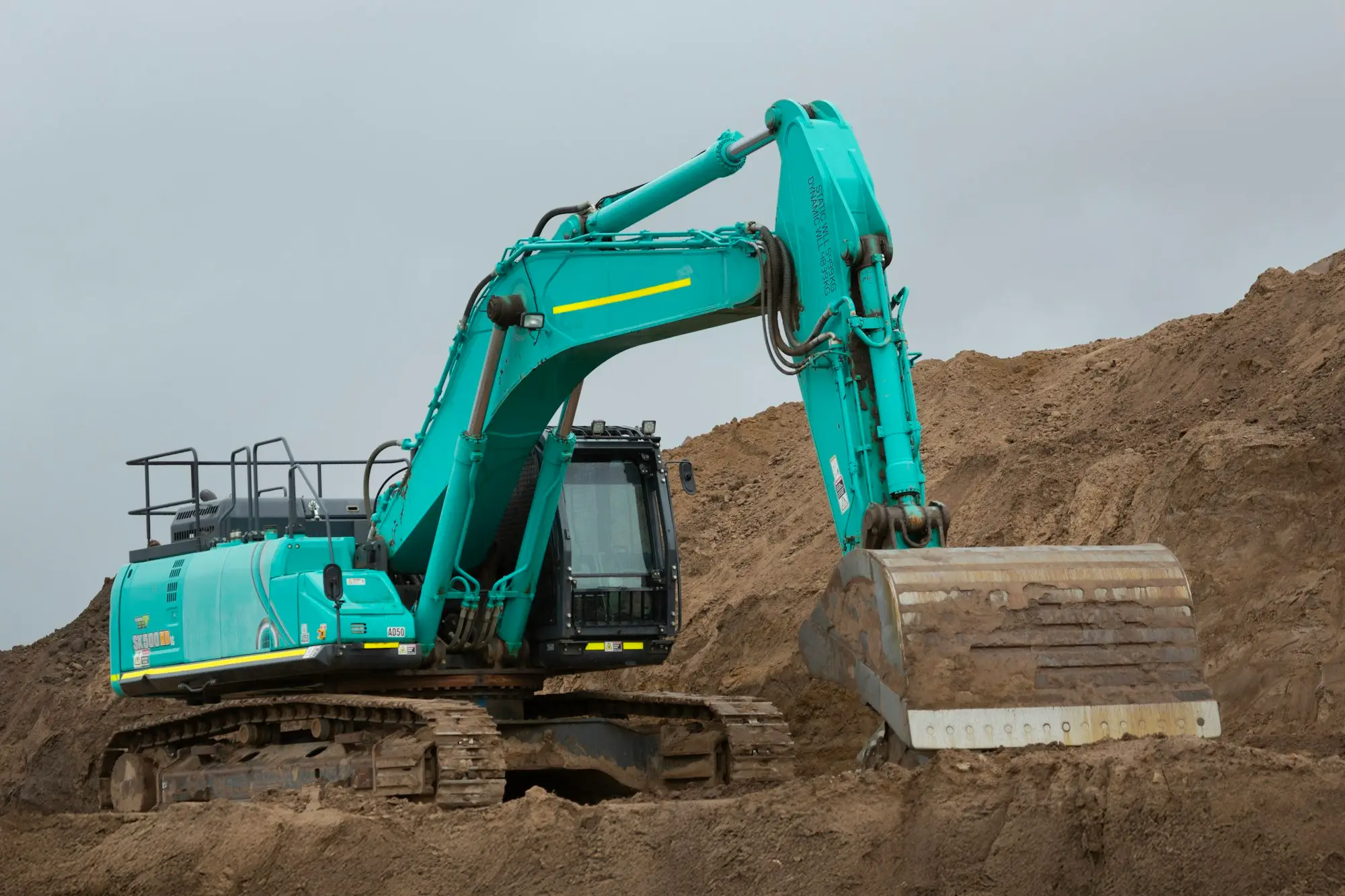
A header, tractor or air seeder is best financed against itself. Equipment finance keeps the land free for other borrowing, and repayments can often be scheduled after harvest. Our business equipment verdict and the chattel mortgage or lease comparison help with the detail.
3. Our pick for inputs: a seasonal working-capital facility
A facility drawn as you buy inputs and cleared from harvest or sale proceeds matches the year’s cash cycle. It works like a line of credit for seasonal businesses, with a limit set on your budget.
4. Worth checking: Regional Investment Corporation loans
The Regional Investment Corporation is an Australian Government lender. Its 2026 loans summary lists the Farm Investment Loan, AgriStarter Loan and Drought Loan, each of up to $2 million over 10 years with up to five years interest-only, plus the AgBiz Drought Loan of up to $500,000 for farm-related small businesses. Eligibility rules apply, so confirm them directly with RIC before you build one of these loans into your plan.
5. For deadlines only: short-term property-secured loans
When settlement on a neighbouring block falls due before long-term finance is approved, a short-term loan secured by property can bridge the gap. It’s costly over time and needs a firm exit. See our bridging loans verdict.
Our verdict
Farm and agribusiness loans: our call
- Best for
- Land on a long-term loan over farmland, machinery on equipment finance, and inputs on a seasonal facility repaid at harvest or sale. Check RIC eligibility for investment, starting out or drought recovery.
- Not for
- Using short-term, high-cost finance to carry a farm through a run of poor seasons, or funding land on equipment-style terms.
- Check before you sign
- Whether repayment dates match your income, total payback in dollars, review conditions on land loans, and how each facility interacts with existing debt.
Want to see how this fits your own operation? Talk to a specialist about your farm’s finance, with no credit check at the first step.
How do farm management deposits fit in?
Farm management deposits are a tax tool, not a loan, but they change how much you need to borrow. The ATO’s FMD scheme lets eligible primary producers make tax-deductible deposits in good years and withdraw them in poor ones. Total holdings are capped at $800,000, and you can’t have more than $100,000 of taxable non-primary production income in the year you deposit. Withdrawals within 12 months generally lose the deduction, with exceptions including severe rainfall deficiency and natural disaster assistance.
A healthy FMD balance is a buffer that reduces the size of the working-capital facility you need, and it gives a lender comfort that you can ride out a lean season.
Illustrative example: a mixed farm expands
Illustrative only. A family runs a mixed cropping and sheep operation. The neighbouring 800-hectare block comes up for sale at $2,400,000, and they also need a bigger air seeder costing $350,000.
- The block: a long-term loan secured over both properties, with repayments set for after harvest.
- The seeder: equipment finance over seven years, secured by the machine.
- Settlement timing: the vendor wants to settle before the long-term loan is finalised, so they use a short-term bridging loan for six weeks, repaid in full when the main loan settles.
- Inputs: their existing seasonal facility continues, with a slightly higher limit for the extra hectares.
Verdict for this family: four facilities, each doing one job. The bridging loan was the most expensive per dollar, which is why it ran for weeks, not years.
What should a farmer have ready before applying?
- Three seasons of farm financials and tax returns, plus this season’s budget.
- Production records: yields, stocking rates or turnoff, whichever applies.
- Land and water details: titles, recent valuations and entitlements.
- A list of all current finance, including machinery loans and any government loans.
- Your FMD balance, if you hold deposits, since it shows the buffer you’ve built.
A one-page plan that explains what the money is for and which harvest or sale repays it is often the single most persuasive document in a farm application.
How much can a farm business borrow?
That depends on land value, production, existing debt and the season. For larger amounts, see our verdict on business loans over a million dollars. Property-secured business loans we can help with range from $20,000 to $5,000,000 against residential or commercial property, which can suit farm-related businesses and bridging needs where that security is available. Farm businesses with trucks and freight work should also read our transport verdict.
Ready to talk about your farm?
Whether you’re buying land, upgrading machinery or bridging a settlement, check what your farm business qualifies for in about a minute.
No credit check happens when you first enquire, your information isn’t distributed across a list of lenders, and a real person works on it with you. Accurate production figures, land values and existing debts help us match you correctly the first time. See other verdicts on the best business loans hub.
Questions owners ask
What is the best loan for buying farmland?
Usually a long-term loan secured by the land itself, from a lender with agricultural experience. Farmland is a long-lived asset, so long money suits it. Expect the lender to assess the property's productive capacity, your production history and your plan, not just the land's market value.
What are RIC loans for farmers?
The Regional Investment Corporation is an Australian Government lender offering loans to eligible farm businesses and farm-related small businesses, including the Farm Investment Loan, AgriStarter Loan and Drought Loan of up to $2 million over 10 years, with up to five years interest-only. Check eligibility directly with RIC.
How should I finance a tractor or header?
Equipment finance, such as a chattel mortgage, is usually the best fit, because the machine secures the loan and repayments can often be structured to fall after harvest. Compare the total repayable in dollars, any balloon and the cost of trading in early.
What are farm management deposits?
They let eligible primary producers set aside pre-tax income in good years and draw it in lean years. The ATO allows up to $800,000 in total FMDs, and you can't have more than $100,000 of taxable non-primary production income in the year you deposit.
Can a farm business borrow during drought?
Yes, though lenders will look closely at the seasonal outlook and your plan. Government drought loans may be available to eligible businesses, and early access to farm management deposits can help. A commercial lender may restructure repayments for an existing customer.
Do farm loans have to be repaid monthly?
Not always. Many agricultural lenders offer seasonal repayment schedules that line up with harvest, wool cheques or livestock sales. Ask for repayments that fit your income pattern rather than accepting a standard monthly schedule. Seasonal schedules can make a real difference in the months before harvest, so raise it early.
Reviewed by the Best Biz Loan editorial team · updated 5 October 2026
We judge loan structures and lender types against the same five tests, never named lenders' products, and we never publish rates. How we judge